Discover the true cost of fashion. Learn the environmental impact of fast fashion, from water and carbon use to textile waste, and see why second-hand clothing and vintage fashion are better for the planet.
The good news? Choosing second-hand clothing or vintage fashion is one of the easiest and most powerful ways to reduce your environmental footprint while still looking stylish.
💧 The True Cost of Fashion: Water Consumption in Clothing
Water is fashion’s invisible ingredient, and the numbers are shocking:
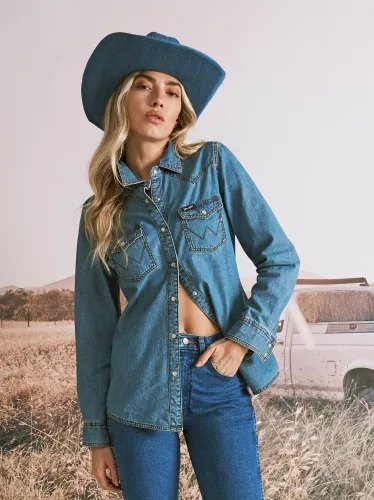
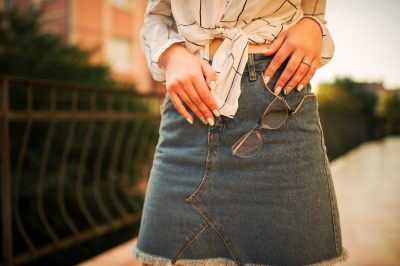
- 👖 Jeans: A single pair of denim jeans requires 7,500–10,000 litres of water to produce. That’s why vintage denim is one of the most sustainable swaps you can make.
- 👕 Cotton T-shirts: Around 2,700 litres of water are needed for just one T-shirt. Choosing pre-loved tees helps reduce demand for water-hungry cotton farming.
- 👗 Polyester garments: While polyester doesn’t need irrigation, it is made from oil, requires high energy, and sheds microplastics into the oceans with every wash.
- 👟 Trainers: One pair of sneakers can generate over 13 kg of CO₂ and consume thousands of litres of water across the supply chain.
Multiply this by the 100 billion items of clothing produced every year, and fashion’s water footprint becomes impossible to ignore.
🌱 The True Cost of Fashion: Environmental Impact of Fast Fashion
Water isn’t the only issue—fast fashion harms the planet in multiple ways:
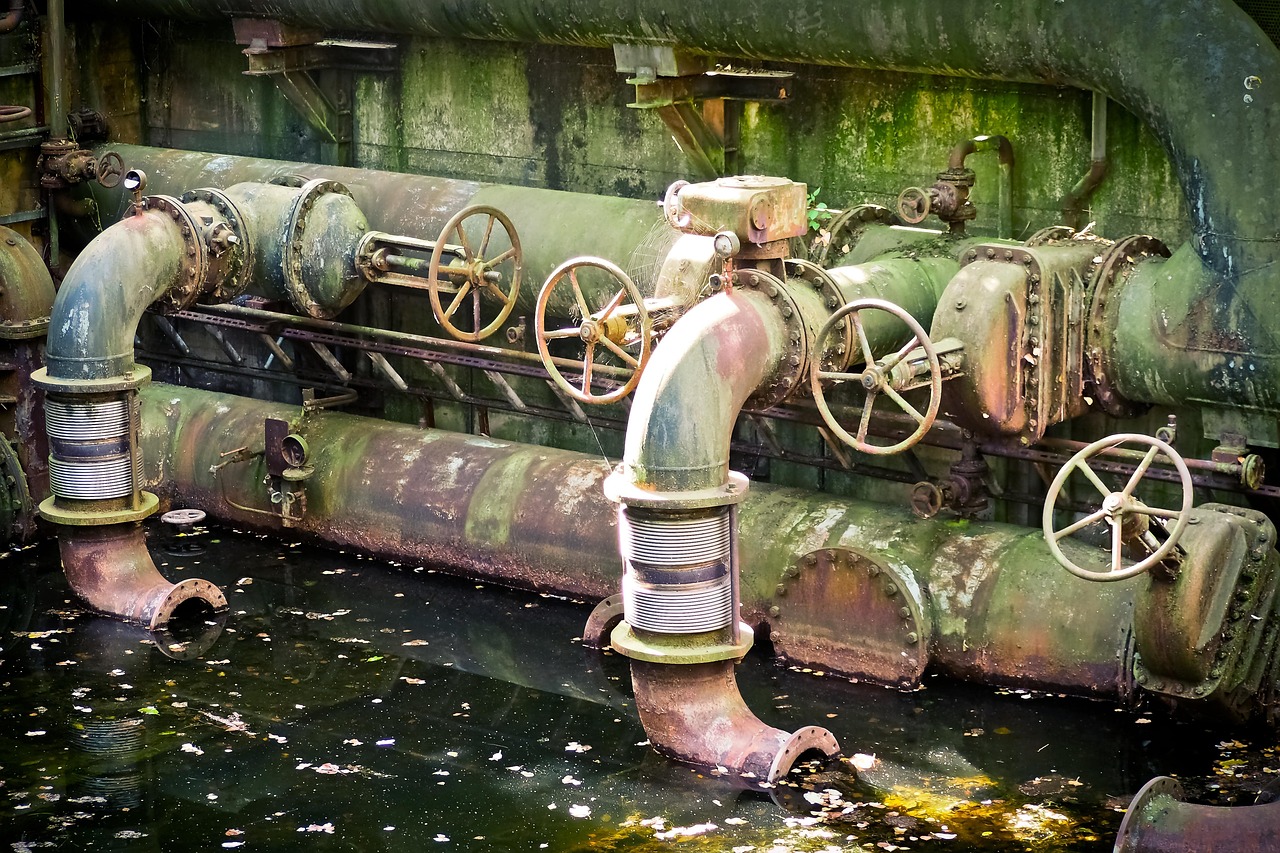
- Chemical Pollution – Toxic dyes and textile treatments are dumped into rivers in garment-producing countries. UN Environment reports that this pollution destroys ecosystems and harms communities.
- Carbon Emissions – Fashion accounts for about 10% of global CO₂ emissions, more than international flights and shipping combined.
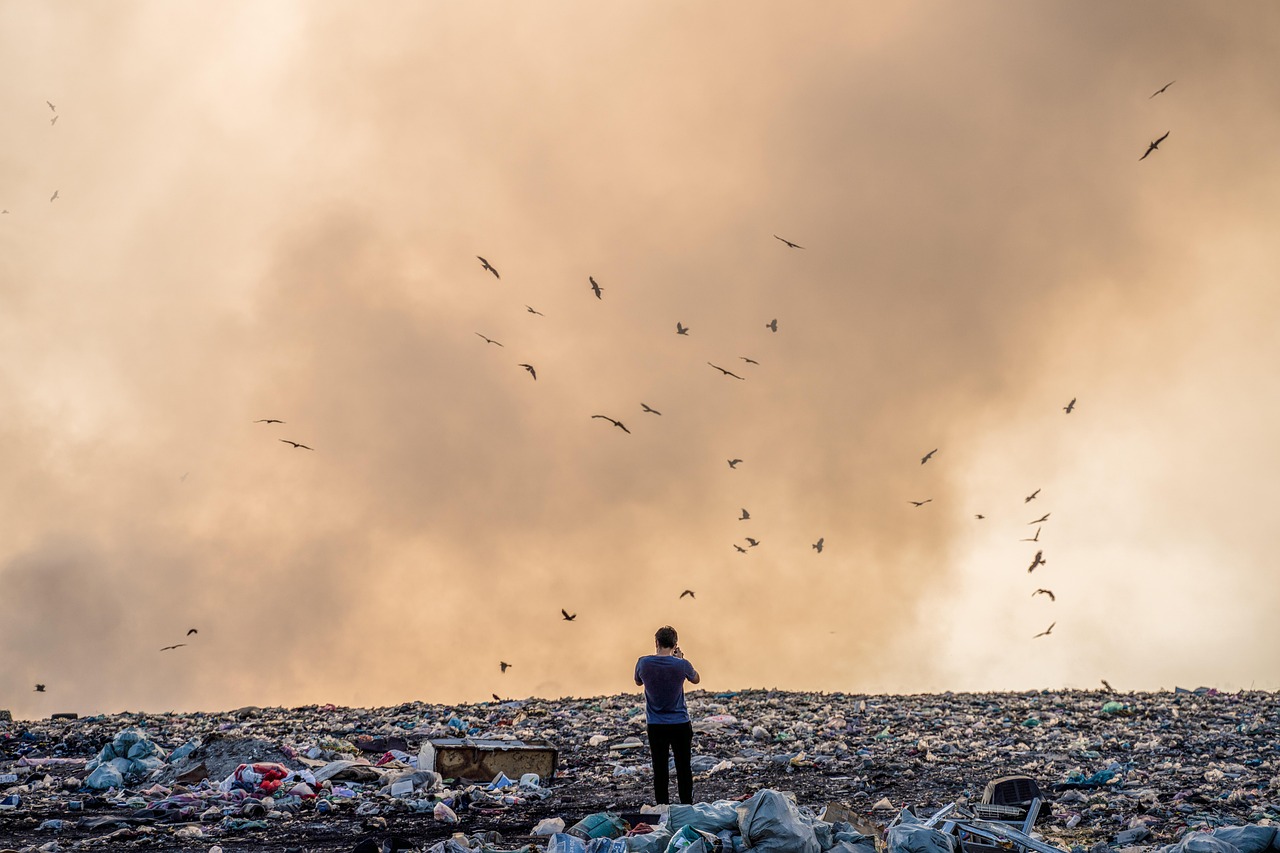
- Textile Waste – A truckload of clothing is landfilled or burned every second. Synthetic fibres like polyester can take centuries to break down.
- Microplastics – Washing a polyester fleece can release up to 250,000 microfibres into waterways, damaging marine ecosystems and even entering our food.
This is the true cost of cheap, disposable fashion—damage to water, air, land, and life.
👗 Why Second-Hand Clothing Reduces the True Cost of Fashion
Every time you shop vintage or choose pre-loved clothing, you’re helping to break this destructive cycle. Here’s why second-hand fashion is better for the environment:
- No New Resources Needed – Second-hand clothing requires zero new water, oil, or chemicals. The damage is already done—reusing keeps items in circulation.
- Lower Carbon Footprint – Extending the life of a garment by just nine months reduces its water, waste, and carbon footprint by up to 30%.
- Less Waste in Landfills – Buying pre-loved clothing prevents textiles from ending up in overflowing landfills.
- Unique, Timeless Style – Every vintage piece has a story and individuality, unlike mass-produced fast fashion.
The Ellen MacArthur Foundation calls this the “circular economy” of fashion: keeping clothes in use for as long as possible to reduce their overall footprint.
🔮 Second Hand: The Future of Sustainable Fashion
Fashion will always be part of our lives, but how we consume it is changing. More people are choosing sustainable fashion, thrifting, and vintage shopping because they want style with responsibility.
Every vintage denim jacket, reworked T-shirt, or vintage dress you buy is more than just clothing—it’s a statement that fashion doesn’t have to cost the Earth.
💭 Final Thought on the True Cost of Fashion
Understanding the true cost of fashion empowers us to make better choices. By embracing second-hand clothing, thrifting, and vintage fashion, we can dramatically reduce the pressure on water, landfills, and carbon emissions.
Next time you’re tempted to buy something new, pause and think about its hidden water, carbon, and chemical footprint. Then ask yourself: Could I find this second hand? Chances are, yes—and you’ll not only discover clothing with character, but also make a choice that protects the planet.
The future of style lies in sustainable fashion, and every time we buy pre-loved, we prove that fashion can be creative, affordable, and kind to the Earth.